

Leadership Development
We work with small and medium-sized companies to make their managers and team leaders into highly productive and skilled leaders of people.
Why train leaders?
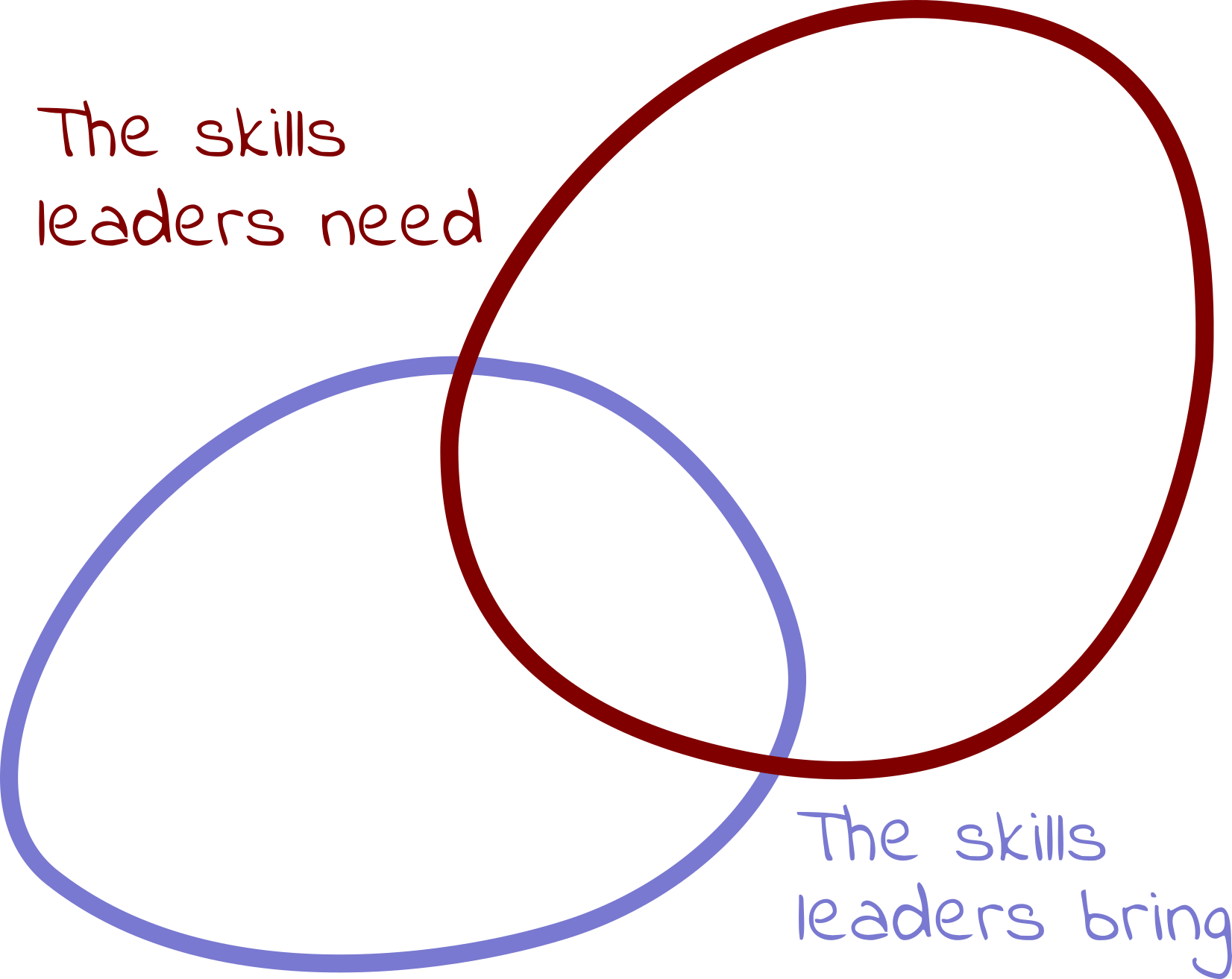
Most leaders were promoted because they were really good at something before they started ‘leading a team’.
Most companies promote good, smart people, then expect new and different things from them as a leader.
Sometimes, the are offered training, but 90% is about learning content. They learn a lot, forget most, and implement almost none of it.
Leaders need specific tools to be good at the job.
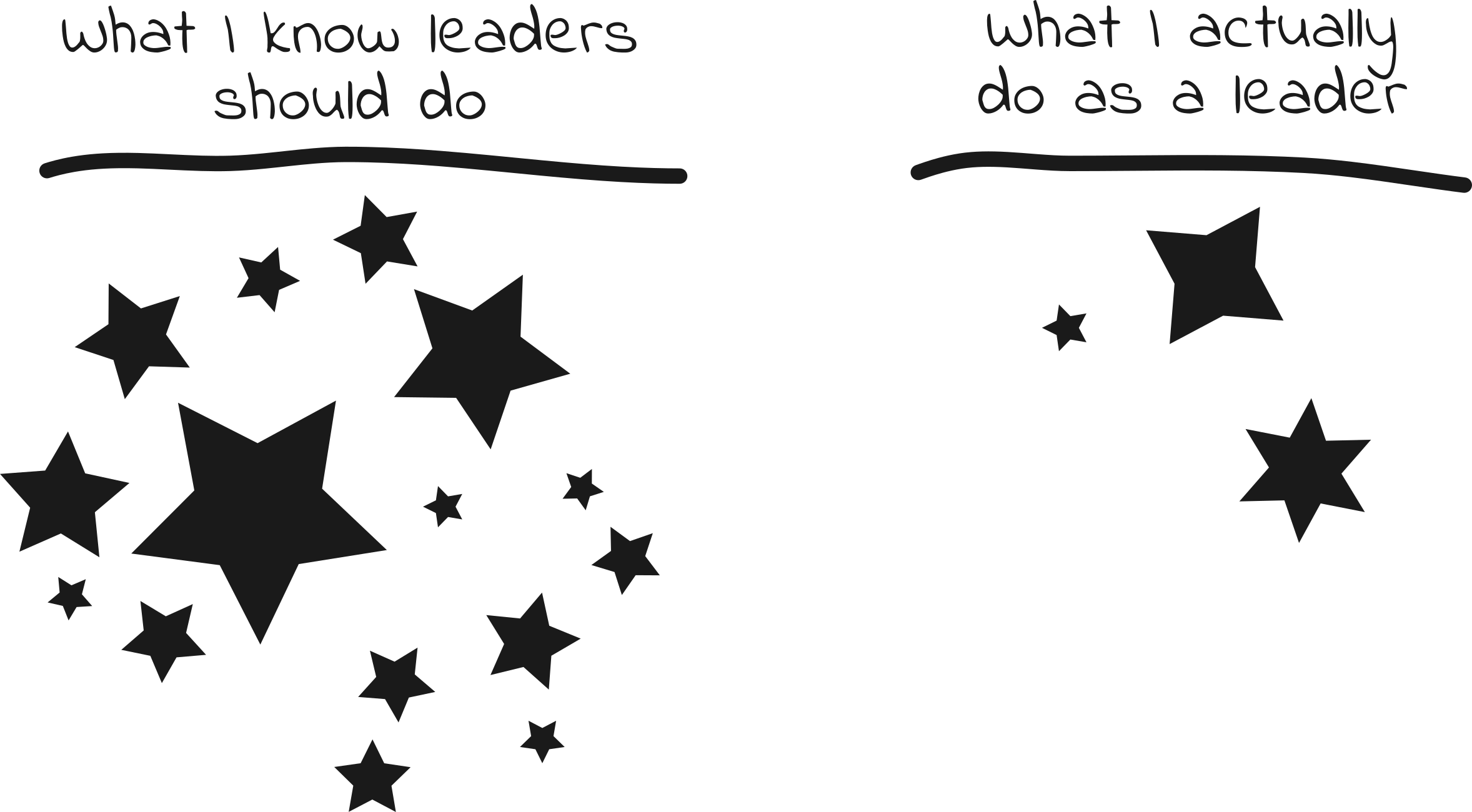
Knowing is not doing, so most ‘leadership training’ doesn’t move the needle on anything it needs to.
How good training works
Leadership skill building works like a smoker, not a grill.
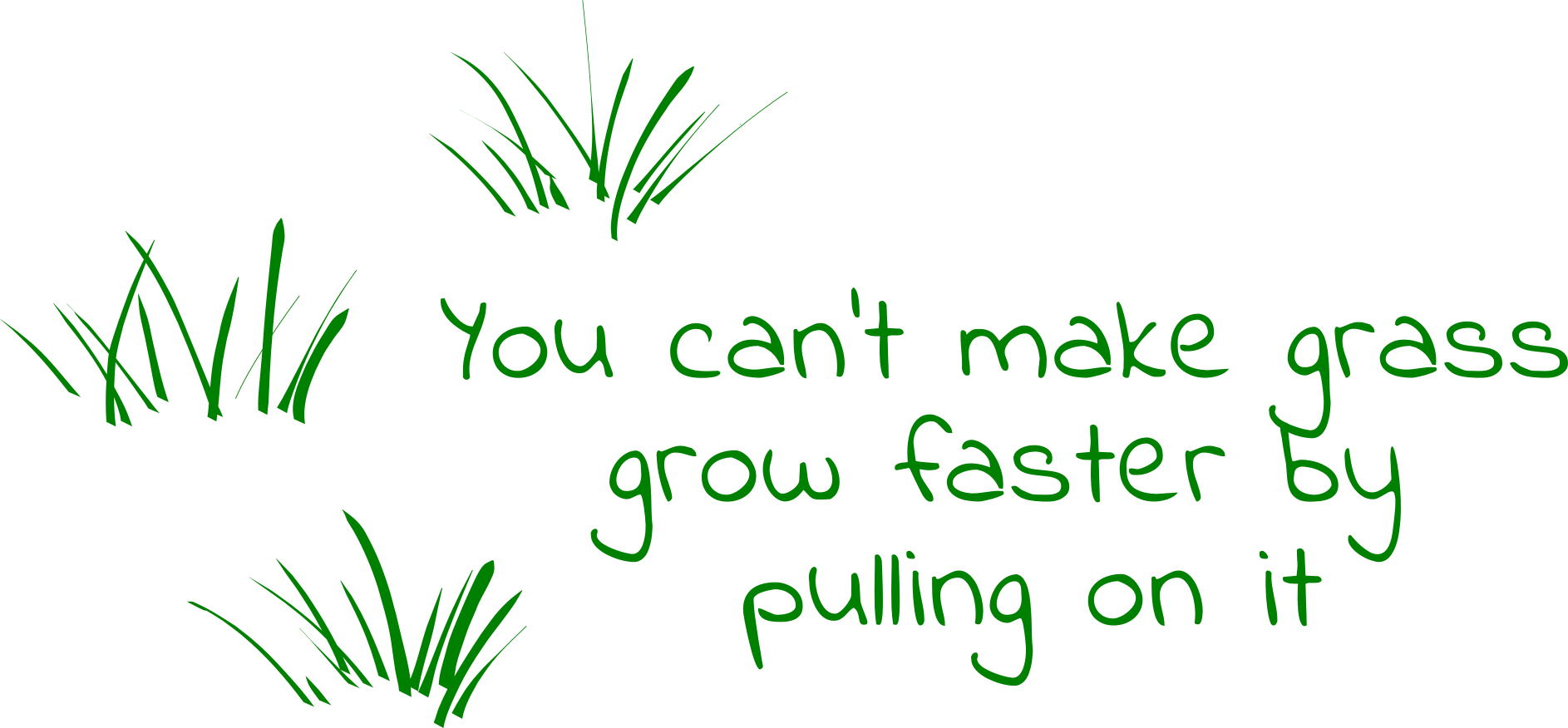
Smaller, shorter trainings over a longer timeframe are more effective at embedding new skills and changing behaviors than larger one-off intensive training programs are (see the research summary here).
Small bites often, not one big chunk.
“I appreciate how you cut through the fluff. You ask great, engaging questions that demonstrate your skill. You are an absolutely phenomenal facilitator of discussions.”
Our approach
We focus on teaching practical skills in small doses, then building upon those skills for high-leverage.
Start with the simple things that buy more time and reduce wasted effort.
Teach high-leverage skills that prevent today’s problems whilst creating tomorrow’s value.
Work better with people. Prevent conflict and foster growth and up-skilling of people.
We help people get more done, smarter, fast.
Skills we teach
Most people benefit from practicing skills like:
Delegation and coaching
Feedback, Conflict communication, having difficult conversations
Prioritization habits
Workload management
Working with people who are different than you
Running effective meetings
Knowing who you are and who you aren’t, then acting accordingly
Promises
Working with us will reduce or eliminate:
Unwanted turnover
Burnout and exhaustion
Conflict, team tension, interpersonal issues
Wastage, rework, down-time
Workplace injuries and near-misses
If it doesn’t work, you don’t pay.